
The Connection Between Sleep Apnea and Oral Health Problems
Learn About Oral Health and Sleep Apnea
Sleep apnea affects millions of people and often goes unnoticed in daily life. This sleek disorder causes repeated interruptions in breathing during rest, which can lead to changes in oral health. Dry mouth, jaw discomfort, and nighttime teeth grinding are signs that may appear in the dental chair before they appear anywhere else. James Kakos DDS offers expert insight into sleep apnea in Arlington Heights, IL, helping patients understand how their sleep patterns may affect their teeth and gums. By recognizing the connection between sleep and oral health, we provide care that supports better rest and a healthier smile.
What Is Sleep Apnea and Why Does It Matter?
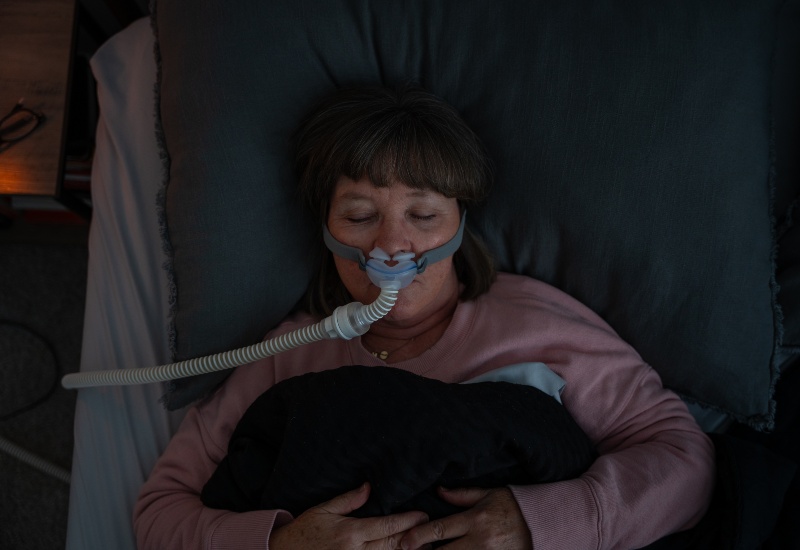
Sleep apnea is a sleep disorder that causes repeated pauses in breathing during rest. These pauses can last several seconds and often happen many times throughout the night. When airflow is disrupted, the body receives less oxygen, affecting overall health. The effects of sleep apnea on teeth are often overlooked but can be serious. Dry mouth, enamel wear, and gum inflammation are common signs in dental exams. Dentists are often the first to notice these changes. Early detection and treatment can improve sleep quality and protect long-term oral health.
Discover the Dental Signs of Sleep Apnea
Disorders like sleep apnea leave clues that dentists are trained to recognize. These signs may appear gradually and affect comfort, function, and oral health. Patients may mention sleep-related symptoms during routine exams, but point to a deeper issue. The dental signs of sleep apnea can help guide early detection and lead to better outcomes. Below are several indicators that may suggest a sleep-related disorder is affecting your smile:
- Dry Mouth – Breathing through the mouth during sleep reduces saliva flow. This dryness can lead to irritation and increase the risk of cavities.
- Teeth Grinding (Bruxism) – Grinding often occurs as the body struggles to maintain airflow. Over time, this can wear down enamel and cause jaw soreness.
- Jaw Pain or Stiffness – Tension in the jaw muscles may build up overnight. This discomfort can make chewing or speaking feel strained in the morning.
- Gum Inflammation – Poor oxygen levels and dry conditions can affect gum tissue. Swelling or tenderness may appear without other apparent causes.
- Snoring-Related Changes – Chronic snoring can dry out oral tissues and irritate the throat. These changes may be visible during a dental exam.
How Sleep Apnea Affects Your Oral Health
Interrupted breathing during sleep can lead to noticeable changes in oral health. Mouth breathing caused by blocked airways often results in dry mouth. Dry mouth leads to reduced saliva and an increased risk of cavities. Teeth grinding is another concern, as it wears down enamel and stresses the jaw. Gum tissues may also become inflamed due to reduced oxygen levels and poor moisture balance. The effects of sleep apnea on teeth include sensitivity, damage, and a higher chance of decay. Addressing these issues early helps protect your smile and supports better sleep.
Sleep Apnea, Dry Mouth, and Its Consequences
Breathing through your mouth while sleeping can lead to dryness, affecting oral comfort and hygiene. Saliva plays a key role in protecting teeth and gums by washing away bacteria and neutralizing acids. When saliva products drop, the mouth becomes more vulnerable to plaque buildup, tooth decay, and gum irritation. Sleep apnea dry mouth may also cause bad breath and a sticky feeling upon waking. Over time, this condition can increase the risk of cavities and make routine dental care more important than ever.
How Snoring and Dental Problems are Connected
Snoring may seem harmless, but it can signal deeper issues that affect oral health. Frequent snoring often leads to mouth breathing, dries our protective saliva, and leaves teeth more exposed to decay. The vibration from snoring can also irritate soft tissues in the throat and mouth. Over time, this can contribute to gum inflammation and discomfort. During routine exams, dentists may notice signs like dry mouth, enamel wear, or jaw tension. Addressing snoring early helps preserve oral health and may improve sleep quality. A dental evaluation can uncover patterns associated with sleep-related concerns.
Nighttime Teeth Grinding and Jaw Pain
Jaw discomfort and worn teeth often point to habits that happen during sleep. Many patients experience nighttime teeth grinding without knowing it, which can lead to soreness, enamel damage, and tension in the jaw. Dentists look for these signs during exams and help patients understand how sleep patterns may affect their oral health. Below are common issues linked to grinding and jaw pain that deserve attention:
- Tooth Wear – Grinding places pressure on the enamel, causing it to thin over time. This can lead to sensitivity and increase the risk of cavities.
- Jaw Soreness – Constant clenching strains the muscles around the jaw. Morning pain or stiffness may follow, making it harder to chew or speak.
- Headaches – Tension from grinding can spread to surrounding areas. Patients may wake up with dull aches near the temples or forehead.
- Tooth Fractures—Repeated grinding can weaken tooth structure. Small cracks may form, which, if untreated, can lead to more serious dental problems.
How Dentists Help Identify and Manage Sleep Apnea
Dentists play a key role in spotting signs of sleep apnea during routine exams. Changes in the mouth, jaw, and bite often reveal patterns linked to disrupted sleep. When symptoms appear, dentists guide patients toward solutions that improve rest and oral health. Their training allows them to recognize subtle clues and offer personalized care. Here are ways dentists help manage sleep-related concerns:
- Oral Application Therapy—Dentists create custom devices that reposition the jaw to keep airways open. These appliances are easy to wear and improve airflow during sleep.
- Monitoring Jaw Alignment – Bite issues can affect breathing while sleeping. Dentists track alignment and recommend adjustments to support better rest.
- Identifying Teeth Grinding – Grinding often signals sleep disruption. Dentists offer mouthguards to protect enamel and reduce jaw tension.
- Collaborating With Sleep Specialists – Dentists refer patients for sleep studies when needed. This teamwork ensures accurate diagnosis and complete care.
- Tracking Oral Health Changes – Regular visits help monitor symptoms over time. Dentists adjust treatment plans based on progress and patient comfort.
Take Control of Your Sleep Apnea
Your oral health offers important clues about your sleep. If you’ve noticed dry mouth, jaw pain, or teeth grinding, it may be time to explore the connection between sleep and dental care. James Kakos DDS provides personalized treatment for patients in Arlington Heights, IL, focusing on comfort and long-term wellness. Our team will help you sleep better and smile brighter. Schedule an appointment today to learn more about how sleep apnea affects your oral health and what you can do to protect it.