
How to Prevent Tooth Sensitivity Before It Starts
How to Prevent Tooth Sensitivity Before It Starts
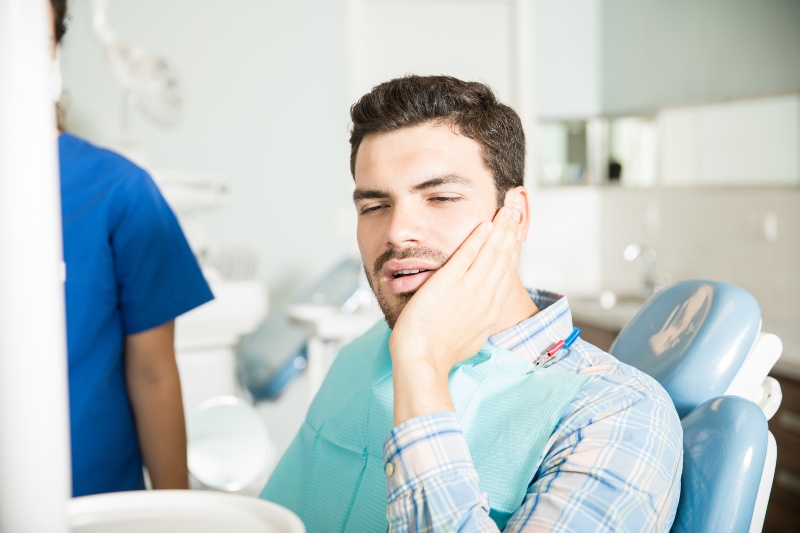
Some days, a simple sip of ice water can send a sharp jolt through your mouth before you even know what hit you. Sensitive teeth affects people of all ages, and this unwanted sensation can present itself in surprising – and painful – ways. Tooth sensitivity is a condition that happens when the hard, protective enamel of your teeth thins out. The soft layer underneath your enamel contains tiny paths that lead straight to your dental nerves. So, when your enamel wears away, those cold beverages and sugary snacks can travel through these paths and trigger intense discomfort.
In this article, we’ll explore how to stop tooth sensitivity and help you understand what triggers these sudden flashes of irritation so you can enjoy your favorite foods again.
Common Causes of Sensitivity
Your teeth come with their own built‑in protection, and in a healthy mouth, that protection keeps normal eating and drinking comfortable. To understand the potential source for why sensitivity develops, it’s best to discuss two specific aspects of your teeth – the protective enamel and the nerve within. Both have a direct connection to your everyday habits and any dental issues you may have.
Your enamel acts as a layer of insulation that protects your teeth, so let’s first take a look at how a loss of this insulation can expose the inner layers and allow outside sensations to reach the nerve.
Enamel Erosion
Healthy teeth stay calm because their inner parts remain shielded from the outside world. But when your enamel wears down, cracks, or pulls away from the surface, you lose the buffer that normally keeps your smile feeling great. And losing that essential insulation allows external triggers to reach your nerves. The causes below show how everyday factors can slowly reduce this natural insulation:
- Bacterial Decay – Cavities represent a bacterial infection that softens and destroys your sturdy dental structures. This process thins your natural shield, which makes it much harder for your tooth to block out external temperatures. This means you’ll likely experience a sharp reaction when you consume foods that cause tooth sensitivity, like cold drinks and sugary treats.
- Fractured Enamel – Your enamel is one of the toughest substances in your body, but extreme pressure can still cause it to crack. These tiny fissures create a direct route for liquids and air to reach the sensitive center of your tooth. Many people identify this specific problem because the discomfort usually happens in one isolated spot.
- Chemical Wear – Regular exposure to strong acids leads to a gradual thinning of your protective surfaces through a process called erosion. This happens most often if you love sour citrus fruits or have chronic acid reflux. Your nerves lose their protective padding as the pH levels in your mouth drop and wear down the minerals.
- Grinding Habits – Constant clenching or grinding creates heavy forces that slowly shave away the biting surfaces of your smile. This habit also causes your gum tissue to recede, which leaves the vulnerable root surfaces completely exposed to the elements. You end up with less insulation around both the top and bottom portions of your teeth.
- Aggressive Brushing – Using a toothbrush with firm bristles or choosing a gritty toothpaste can actually scrub away your enamel and gum tissue. You might think you’re getting your mouth cleaner, but you’re actually removing the very structures that keep your nerves isolated. Switching to a soft-bristled brush can protect your roots from this mechanical damage.
Hyperactive Dental Nerves
Even if you have a full layer of enamel and practice good oral hygiene to prevent sensitivity, you can still experience discomfort if the nerve inside your tooth becomes overly reactive. This can occur when the internal tissues become inflamed and respond aggressively to things that usually wouldn’t bother them at all. This irritation can stick around for a long time or disappear after a few days, depending on the situation. Some of the possible causes of hyperactive nerves include:
- Physical Trauma – If you experience a sudden hit to your mouth, the internal tissues respond with significant inflammation. This reaction happens following a major injury or from the steady, minor damage caused by long-term habits like playing sports without a mouthguard. As a result, your nerves remain on high alert as they try to recover from the impact.
- A Recent Dental Procedure – Professional dental work is a necessary part of maintaining your health, but the process can put temporary stress on your teeth. It’s normal to experience a few days of tenderness after a dentist repairs a cavity or places a new crown. This sensitivity typically fades away once the internal inflammation from the appointment settles down.
- Whitening Products – The chemicals that remove dark stains from your smile are excellent for aesthetics, but they can irritate your internal tissues. Many people notice a temporary spike in sensitivity while they’re actively using professional or over-the-counter bleaching kits. This side effect almost always stops once you finish the whitening cycle and give your mouth a break.
- Sinus Pressure – Your upper back teeth sit very close to your maxillary sinus cavities, which can lead to shared discomfort during allergy season. When these cavities fill with fluid or become inflamed, the resulting pressure pushes directly against the nerves of your molars. This specific type of sensitivity usually clears up as soon as your congestion improves.
Tooth Sensitivity Prevention Tips & Strategies
No one wants to experience the alarming sensation of unwanted tooth sensitivity. But the good news is that there are many lifestyle & dietary habits you can adopt to protect your smile. We recommend swapping your hard brush for a soft-bristled version to stop irritation in its tracks. You may also want to consider switching to a desensitizing toothpaste to calm the internal nerves of your teeth. And since whitening products contain harsh abrasives, you should avoid sensitive teeth triggers by skipping these formulas. Your dentist might suggest a prescription fluoride rinse to harden your enamel. If you grind your teeth at night, a custom mouthguard can help stop the pressure. We also suggest limiting acidic snacks and drinks that erode your enamel. And drink plenty of water to keep your mouth hydrated and pH levels neutral.
If you follow these self-care tips, you’ll drastically reduce the chances of this experience from ever happening!
When to See Your Dentist
Tooth sensitivity can improve with smart habits, and you can protect your smile through tooth enamel protection at home, but any persistent irritation suggests there’s an issue that needs professional attention. Our team here at James Kakos DDS in Arlington Heights, IL offers gentle evaluation, clear guidance, and advanced dental care solutions that will address your concerns. From our thorough examinations and effective treatments to providing insights into the best dental routine for preventing sensitivity, our compassionate care will keep your teeth healthy and free of irritation.
Let’s prioritize your oral comfort. Contact us today to book your next appointment.
Frequently Asked Questions About Tooth Sensitivity
What Is the Best Toothpaste for Sensitivity Prevention?
Desensitizing pastes work well because they contain potassium nitrate or stannous fluoride. These specific ingredients plug the tiny tunnels leading to your tooth nerves. This action stops pain signals before they reach your internal sensors.
Why Choose Soft Bristles For Brushing?
Firm bristles act like sandpaper on your pearly whites. They scrub away enamel and irritate your gums, exposing tender roots. Switching to a soft-bristled brush protects your protective outer layer and keeps your gum line healthy.
Which Dietary Choices Protect My Enamel?
High-acid snacks and drinks like lemons, pop, and wine wear down your protective shielding. Sugary treats also cause damage. Choosing water and low-acid foods keeps your enamel thick. This simple change stops the inner layers from becoming exposed.
Can Grinding My Teeth Cause Pain?
Gritting your teeth during sleep wears down your enamel quickly. This habit makes your smile very reactive to temperature changes. Wearing a custom nightguard from your dental professional shields your teeth. It acts as a shield against nightly friction.
Does Flossing Help Stop Sensitivity?
Daily flossing clears away plaque and bacteria. This habit keeps your gums firm and attached to your teeth. Strong gums cover your roots. You avoid the sharp stings of sensitivity when you prevent gum recession through consistent, gentle flossing.