
Dental Care for Seniors: Common Challenges and Solutions
Dental Care for Seniors: Common Challenges and Solutions
The natural aging process changes many parts of our bodies, and our mouths are no exception. This means that the routines that worked decades ago may not be enough to keep your smile strong today, and that shift can surprise people as they grow older.
You’ll notice that dental care for seniors demands much more awareness because enamel, gums, and everyday comfort evolve with time. In this comprehensive article, we’ll explain how maintaining your oral health gets more complex with age and how you can stay ahead of these changes to keep your smile bright, happy, and healthy.
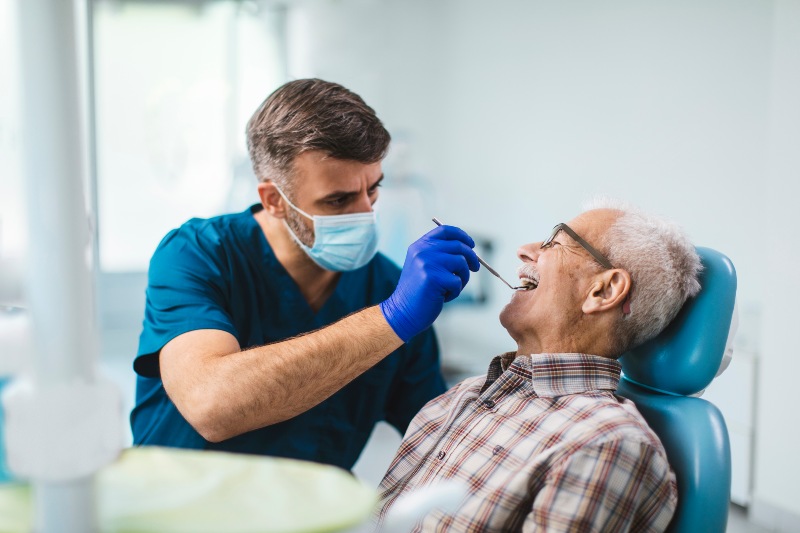
Common Dental Problems in Seniors
Aging and oral health challenges go hand in hand as we age, which makes staying on top of your dental care more important than ever. You may juggle changing health conditions and medications on top of your normal everyday routine, all of which can influence your smile in new ways. But when you prioritize your dental habits now, you can maintain your physical vitality, as well as avoid pain or expensive procedures later in life.
Here are some of the most common problems that show why consistent care matters as you age:
Gum Disease
Bacteria along the gumline can lead to redness, swelling, and bleeding during brushing. Untreated inflammation gradually affects the bone around your teeth, so early evaluation and thorough cleanings help you keep your gums firm and comfortable.
Tooth Decay
Exposed roots and aging fillings create areas where plaque settles easily. These spots decay faster than strong enamel. Regular exams, fluoride treatments, and consistent brushing give vulnerable surfaces extra protection and help you avoid larger restorations later on.
Tooth Loss and Shifting Teeth
Long‑term decay, gum issues, or past injuries can lead to missing teeth. Gaps change how you bite and chew, which strains remaining teeth. Bridges, implants, or dentures restore function and help keep neighboring teeth in stable positions.
Risks of Oral Cancer
Age, tobacco history, and alcohol use increase the chance of changes in oral tissues. Regular dental visits include screenings for unusual patches, sores, or lumps. Early detection allows your care team to intervene promptly and protect your overall health.
Systemic Conditions
Conditions such as diabetes or osteoporosis influence the way your mouth heals and responds to plaque. High blood sugar, for example, makes gum tissues more reactive. Close communication between your dentist and physician helps keep your treatment plans aligned.
Chronic Dry Mouth
Many common medications reduce saliva flow, which leaves your mouth dry and sticky. Less moisture makes it easier for plaque to gather and acids to sit on teeth. Sipping water, using saliva‑boosting products, and talking with your dentist help manage this condition.
Social Connections
Poor oral health can cause embarrassment, which can lead to social isolation. But a bright and healthy smile makes you more likely to engage with friends and family during gatherings. You can speak and laugh without hesitation when your breath stays fresh, and your teeth remain in excellent condition throughout your golden years.
Chewing Difficulties and Nutrition Deficiencies
Sore gums, loose teeth, or ill‑fitting restorations can make chewing uncomfortable. You might avoid healthy foods that require more effort to eat. Addressing these dental issues helps you enjoy a wider range of foods and maintain steady energy each day.
Whole Body Protection
Bacteria from your mouth can travel through your bloodstream to other vital organs. Maintaining a clean oral environment reduces the likelihood of respiratory infections and other internal inflammations, protecting your overall physical health as you age.
Essential Daily Care Tips
You deserve a lifestyle free from toothaches and persistent oral issues as you get older. And you can maintain that lifestyle by following some of the best dental care practices for seniors. When you stay proactive about your oral health as an older adult, you’ll make every meal more enjoyable and reduce your risk of developing many common dental problems. Here are some tips to give you a simple framework to keep your smile healthy:
- Brush Twice Daily – Scrub your teeth for two minutes every morning and night using soft bristles to remove plaque and prevent tooth decay.
- Floss Every Day – Clean tight spaces between your teeth to stop gum disease, using specialized tools if holding thin string becomes difficult.
- Denture Maintenance – Scrub your appliances every day and soak them in water overnight so your gums get a chance to rest.
- Swap Your Brush – Get a new toothbrush or a fresh electric head every three or four months to maintain a hygienic routine.
Professional Dental Care Needs
Managing your smile at home every day is a great way of keeping oral health issues at bay, but you should also schedule professional checkups at least every six months to bolster your at-home routine. Through these regular visits, your dentist can provide targeted treatments and professional guidance so you can manage and prevent senior dental health issues. Here’s how:
- Frequent Exams and Cleanings – Routine appointments help your dentist catch early changes, remove buildup, and monitor gum health to keep your teeth and tissues stable.
- Oral Cancer Screenings – Age increases risks connected to tissue changes, so your dentist checks for unusual spots or sores to catch concerns before they progress.
- Periodontal Care – Specialized cleanings treat gum inflammation and help restore healthier tissue, reducing the chances of bone loss or long-term sensitivity.
- Restorative Dentistry – Treatments like crowns, fillings, and implants repair damaged areas, restore chewing strength, and help you maintain comfortable daily function.
- Denture Assessments – Routine evaluations ensure dentures fit properly, prevent sore spots, and keep your bite comfortable as your mouth continues to change.
- Dry Mouth Treatment – Professionals help manage medication‑related dryness with fluoride, rinses, or moisture‑boosting solutions that protect enamel and ease irritation.
- Fluoride Protection – Targeted fluoride applications strengthen enamel, improve resistance to cavities, and help safeguard vulnerable areas that need extra reinforcement.
Nutrition and Lifestyle Support
Diet and lifestyle play big roles when it comes to maintaining oral health for older adults. What you eat influences your comfort, your energy, and your long‑term wellness. And while following your oral hygiene routine keeps your teeth and gums in great condition, you’ll keep them in better condition when you choose foods that nourish your body and avoid habits that create irritation.
A balanced routine that includes calcium‑rich foods, lean proteins, fruits, and vegetables helps strengthen your oral tissues. Staying hydrated gives your mouth the moisture it needs to stay clean and comfortable. You can talk with your medical providers about supplements if chewing difficulty limits your food choices.
Caregiver Tips
Seniors with cognitive decline or mobility issues need consistent, daily care to prevent dental problems from developing, and they may need help brushing, flossing, and cleaning their dentures every night. If you care for a senior, these dental care tips will help you support them:
- Establish Regular Habits – Create a predictable schedule every morning and night. Keeping this task within a calm environment makes the process much easier.
- Demonstrate the Process – Explain each action, show the motion first, and then help them complete it so brushing and flossing feel more comfortable.
- Use Gentle Distractions – Play soft music or offer a familiar item to help them stay relaxed and focused while you complete their oral care tasks.
- Prioritize Their Safety – Use minimal toothpaste if swallowing is difficult, and use a moist cloth to clean gently when spitting becomes challenging.
Keep Your Smile Strong and Healthy at James Kakos DDS
Healthy aging includes staying consistent with your dental care, and the right guidance will make those habits easier to maintain. Whether you’re a senior or you care for a loved one, our team here at James Kakos DDS in Arlington Heights, IL gives seniors personalized attention and gentle dental treatment that keeps their teeth, gums, and everyday comfort on track. We proudly provide compassionate, professional care that adapts to your changing needs and helps you protect your long‑term oral health.
Keep your smile strong at every age. Contact our office today to schedule your next dental appointment.
Frequently Asked Questions – Dental Care for Seniors
Why Do Cavities Increase As You Age?
Weakened enamel and receding gums expose roots to bacteria. Medications frequently cause dry mouth, which removes your natural protection against decay. You should sip water, use fluoride products, and see us for protective coatings to stay healthy.
How Do I Maintain Comfortable Dentures?
Take your dentures out every day to let your gums rest. Clean them with a soft brush and mild soap rather than gritty toothpaste. Visit your dentist for a reline if they slip or cause any soreness.
How Many Yearly Dental Exams Do I Require?
Routine visits every six months work for many, but some people visit us every three or four months. This schedule helps monitor diabetes effects or dry mouth. These appointments allow for early detection of oral health issues.
Can I Treat Gum Recession And Sensitivity?
Gums naturally pull back over time, which makes teeth react to temperature changes. Use a soft toothbrush to protect your gum line from damage. Desensitizing toothpaste helps block the discomfort caused by hot or cold drinks.
Is Losing Teeth A Certainty Later In Life?
You can keep your natural teeth forever with the right care. Tooth loss comes from gum disease or decay, not your age. Brush and floss every day, or ask about implants to replace any missing teeth.
—