
The Role of Enamel Shading in Advanced Whitening
Teeth whitening is one of the most popular cosmetic dental treatments, but not all results are the same. A major factor that influences outcomes is enamel shading in teeth whitening, which plays a key role in how bright your smile can become. In Arlington Heights, IL, James Kakos DDS helps patients understand how enamel color affects whitening results and what to expect from different treatment options. By taking enamel tone into account, patients can achieve more natural and predictable results.
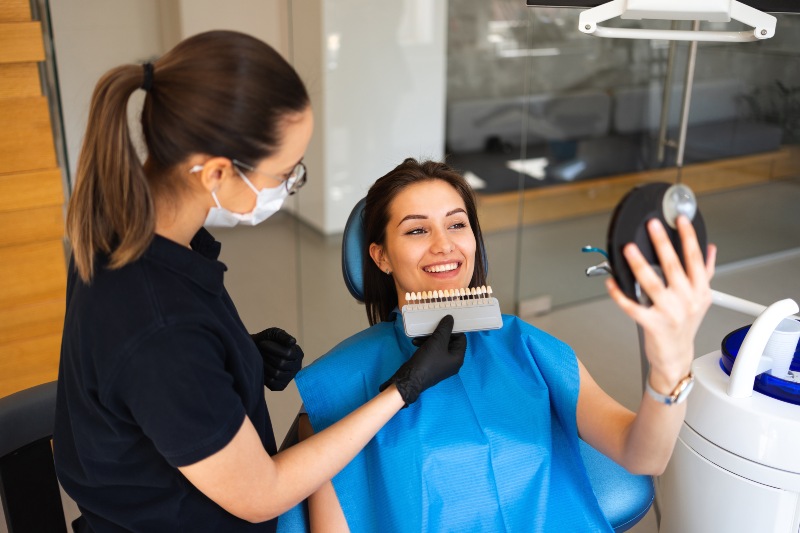
Introduction to Enamel Shading
Enamel shading refers to the natural color and translucency of your tooth enamel. While many people assume teeth are simply white, enamel actually comes in a range of shades, from light and bright to darker or more yellow toned. This variation is completely normal and is influenced by both genetics and lifestyle factors.
Understanding cosmetic dentistry enamel shading is important because it sets the foundation for whitening results. The underlying dentin layer beneath the enamel also affects how teeth appear, which means whitening treatments work differently for each individual. This is why two people using the same treatment may see very different outcomes.
What Determines Natural Enamel Shade?
Several factors contribute to the natural shade of your enamel, and these can influence how your teeth respond to whitening treatments. Some of these factors are within your control, while others are not. Key influences include:
- Genetics, which determine your baseline enamel color
- Diet and consumption of staining foods or beverages
- Oral hygiene habits and overall dental care
- Aging, which can cause enamel to thin and reveal darker dentin underneath
Because of these variables, whitening for different enamel tones requires a personalized approach. Understanding your starting point helps create realistic expectations and better results.
How Whitening Works on Enamel
Teeth whitening treatments work by breaking down stains on the enamel and lightening the overall appearance of the tooth. However, the effectiveness of these treatments depends on the condition and color of the enamel.
Teeth whitening and enamel health are closely connected. Strong, healthy enamel responds better to whitening treatments, while weakened or thin enamel may produce more subtle results. In some cases, deeper discoloration within the tooth structure may not respond fully to standard whitening methods.
This is why professional evaluation is important before starting treatment. By assessing enamel condition and shade, your dentist can recommend the most effective approach.
Enamel Shade Assessment
Before beginning any whitening procedure, a thorough enamel shade assessment is essential. This process involves evaluating the current color of your teeth and identifying the factors contributing to discoloration. During this assessment, your dentist may consider:
- The overall shade and tone of your enamel
- The presence of surface stains versus deeper discoloration
- Your dental history and previous treatments
- Your desired outcome and expectations
This step helps guide the treatment plan and ensures that the chosen method aligns with your goals. It also helps avoid over whitening or uneven results.
Advanced Whitening Techniques
Modern dentistry offers a variety of advanced teeth whitening techniques designed to address different enamel conditions and patient needs. These options go beyond basic over the counter products and provide more controlled and effective results.
Professional treatments may include in office whitening procedures or customized take home systems. These approaches allow for precise application and better management of sensitivity. By tailoring the treatment to your enamel shade, dentists can achieve more consistent and natural looking results.
Advanced techniques also focus on maintaining enamel health while improving appearance. This balance is important for ensuring that whitening does not compromise the strength or integrity of your teeth.
Limits of Whitening
While whitening treatments can significantly improve the appearance of your smile, there are limits to what they can achieve. Not all discoloration can be removed, especially if it originates from within the tooth or is caused by certain medications or conditions.
Understanding how enamel color affects whitening results helps set realistic expectations. Some patients may achieve dramatic improvements, while others may see more subtle changes. In cases where whitening alone is not enough, alternative cosmetic options may be recommended.
The goal is always to enhance your smile in a way that looks natural and complements your overall appearance.
Achieving the Best Whitening Results
Getting the best results from teeth whitening involves more than just choosing a treatment. It requires understanding your enamel, maintaining good oral health, and following professional recommendations.
By focusing on enamel shading in teeth whitening, patients can make more informed decisions and achieve outcomes that align with their expectations. A personalized approach ensures that your smile looks bright without appearing unnatural.
If you are considering whitening or want to learn more about advanced teeth whitening techniques, James Kakos DDS is here to help. Contact our office today to schedule a consultation and take the next step toward a brighter smile.
Frequently Asked Questions
If you are thinking about whitening your teeth, you may have questions about how enamel affects the process. Here are some helpful answers.
Does Everyone Get the Same Whitening Results?
No, results vary depending on enamel shade, tooth structure, and overall dental health. This is why personalized treatment plans are important.
Can Whitening Damage My Enamel?
When performed correctly, professional whitening treatments are designed to protect enamel while improving appearance.
Why Do My Teeth Look Yellow Even After Whitening?
In some cases, underlying dentin or natural enamel tone may affect the final result. Whitening can improve brightness but may not completely change natural color.
Are Professional Whitening Treatments Better Than At Home Kits?
Professional treatments offer more controlled and effective results, especially when tailored to your enamel shade and dental needs.
Where Is James Kakos DDS Located?
James Kakos DDS provides cosmetic and general dental care in Arlington Heights, IL and nearby communities, helping patients achieve healthier and brighter smiles.